
Does Mounjaro Protect Your Heart?
What the New Cardiovascular Approval Means — And How to Protect Yours Either Way
By Dr. Nikita Shah, DO, DABOM | Last updated September 1, 2026
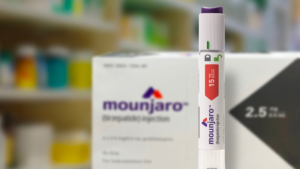
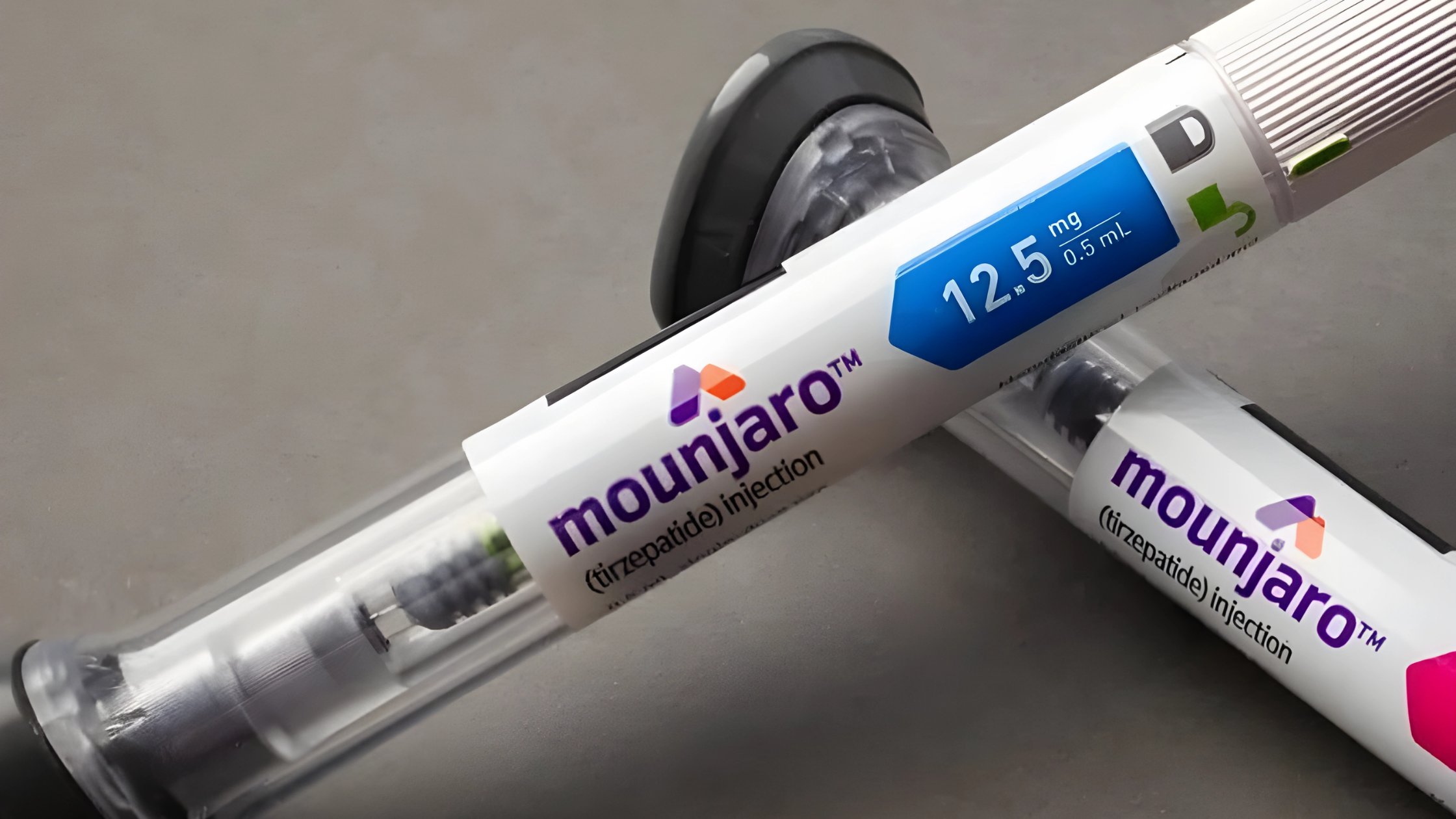
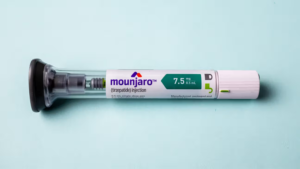
Does Mounjaro protect your heart? On August 28, 2026, the FDA approved Mounjaro (tirzepatide) to lower the risk of major cardiovascular events — cardiovascular death, non-fatal heart attack, and non-fatal stroke — in adults with type 2 diabetes who are at high cardiovascular risk. The approval was based on the SURPASS-CVOT trial. This is a diabetes-specific indication, not currently an approved use for Zepbound (tirzepatide for obesity) or for people without diabetes.
Beyond weight loss, what matters to my patients is their health and total well-being. Beyond feeling better and more confident, many of my patients want to be present for day to day with their loved ones. They want to participate in the joys of living. They want to ride rollercoasters, hike, play golf, and keep up with their grandchildren.
So, when news breaks that Mounjaro can protect the heart in patients with Type II Diabetes, I understand why that resonates. It speaks to the deeper desire of healing, being around, and living longer, fuller lives. Beyond just that, I think the news medically shows how obesity, diabetes, and cardiovascular disease share biological roots. These medications and the science now are being studied and labeled for the whole picture, instead of just one aspect of it.
This is great news, because it validates what my patients were already after.
Mounjaro May Help Reduce Cardiovascular Risk
On August 28, 2026, the FDA approved a new indication for Mounjaro (tirzepatide): reducing the risk of major adverse cardiovascular events, or MACE, in adults with type 2 diabetes who are at high risk for a heart attack, stroke, or cardiovascular death. This came from the SURPASS-CVOT trial, which randomized 13,299 adults with type 2 diabetes and established cardiovascular disease and followed them for a median of 4.0 years (up to 260 weeks), comparing tirzepatide head-to-head against dulaglutide (Trulicity) — a GLP-1 medication that already had proven cardiovascular benefit. Tirzepatide met its goal of performing no worse than dulaglutide at reducing cardiovascular death, heart attack, and stroke. MACE-3 events occurred in 12.2% of the tirzepatide group versus 13.1% of the dulaglutide group.
I want to be precise about what this does and doesn’t mean, because precision is where trust is built or lost in this field.
What it means: If you have type 2 diabetes you are already at elevated cardiovascular risk, Mounjaro now carries an FDA-backed indication specifically for lowering that risk — not just an indirect benefit inferred from weight loss and blood sugar control, but a labeled use.
An important nuance: the trial met noninferiority but did not reach statistical superiority over dulaglutide. In plain terms, tirzepatide was proven to work at least as well as an already heart-protective medication — not proven to work better than it. Dulaglutide itself has established cardiovascular benefit, performing on par with it still supports a cardioprotective signal for tirzepatide, but it’s an inferred benefit rather than a head-to-head win, and I think that distinction matters for setting accurate expectations.
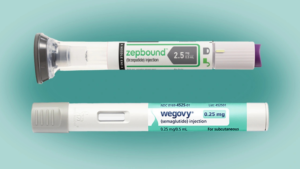
What it doesn’t mean (yet): This indication sits under Mounjaro, which is labeled for type 2 diabetes. It is not, as of this writing, an approved cardiovascular indication for Zepbound, the same molecule (tirzepatide) labeled for obesity treatment in people without diabetes. If you’re on Zepbound for weight management and don’t have diabetes, this specific approval doesn’t apply to your prescription — though it does add to a growing body of evidence that GLP-1/GIP therapies have real cardiometabolic effects beyond the number on the scale. Semaglutide (Wegovy) already has its own separate cardiovascular risk-reduction indication for adults with obesity or overweight and established heart disease, based on the SELECT trial. It did show a statistically significant 20% MACE reduction versus placebo — a related but distinct approval, built on a different trial design.
Why This Matters If You Have Obesity
Here’s what I want you to walk away with: obesity and cardiovascular disease are not separate problems that happen to occur in the same patient. They share biology. Excess adiposity drives chronic low-grade inflammation, insulin resistance, hypertension, and dyslipidemia — all of which independently raise cardiovascular risk. That’s exactly why the Edmonton Obesity Staging System (EOSS), which I use with every patient, weighs cardiovascular and metabolic complications so heavily when I’m staging severity and deciding how aggressively to treat.
A medication that touches weight, glucose, and now cardiovascular outcomes isn’t three separate wins — it’s one mechanism working across an interconnected system. That’s the whole premise of phenotype-based obesity care: we’re not treating a number, we’re treating the whole biology.
Who This New Indication Actually Applies To
For Mounjaro to be used for a cardiovascular indication, it will be for individuals who have:
- A diagnosis of type 2 diabetes with established cardiovascular disease or high cardiovascular risk (prior heart attack, stroke, significant coronary disease, or multiple major risk factors)
- A full clinical picture already appropriate for tirzepatide therapy
If you have obesity but not diabetes, don’t have established heart disease, or you’re trying to get ahead of major adverse cardiovascular events, this specific approval doesn’t change your treatment plan today. It’s still worth discussing at your next visit, because your individual risk profile may point toward Wegovy’s SELECT-based cardiovascular indication or toward other risk-reduction strategies entirely. This decision is made case by case, not off a flowchart.
Protecting Your Heart Regardless of What’s in the Syringe
Medication is one lever. It’s a powerful one, but it was never designed to work alone — every GLP-1 and GIP/GLP-1 trial to date, including SURPASS-CVOT, was conducted in patients also receiving standard medical care and lifestyle guidance. So let’s talk about the rest of the picture, especially if you fall into a higher-risk category.
General cardiovascular activity guidance
For most adults with obesity — with or without a GLP-1 medication on board — the baseline target is consistent with general cardiovascular health guidelines:
-
- 150 minutes per week of moderate-intensity aerobic activity (brisk walking, cycling, swimming), or 75 minutes of vigorous activity, spread across most days rather than crammed into one or two sessions
- A note before you start & disclaimer: These activity targets are general benchmarks for the average adult, not a starting point for everyone. If you have hypertension, dyslipidemia, diabetes, a history of cardiovascular disease, or you’ve been sedentary for a while, this level of activity may not be appropriate on day one — or at all, without medical clearance first. Building up to 150 minutes a week should be a gradual, individualized process guided by your health care professional, not a target to hit immediately. If you experience chest pain, unusual shortness of breath, dizziness, or palpitations during exercise, stop and seek medical evaluation before continuing any activity plan.
- Two or more days per week of resistance training, which matters enormously on a GLP-1 medication specifically because weight loss on these drugs includes some lean muscle loss alongside fat loss — resistance exercise helps protect against that
- Daily movement outside of formal exercise — walking, standing, taking stairs — which has its own independent cardiovascular benefit separate from structured workouts
One honest note: the research specifically studying physical activity in combination with GLP-1 medications is still catching up to how fast these drugs have been adopted. The general physical activity guidelines still apply and still help, but if you’re newly on a GLP-1 and increasing activity at the same time, go in expecting some individualization — energy levels, appetite, and hydration needs can shift as your body adjusts.
Eating for Your Heart, Not Just the Scale
Exercise gets a lot of the spotlight, but what’s on your plate is doing just as much work — sometimes more — for your cardiovascular risk. A few principles I come back to with almost every patient:
Build around a heart-protective eating pattern, not a diet. Mediterranean-style and DASH (Dietary Approaches to Stop Hypertension) patterns — vegetables, fruit, legumes, whole grains, fish, olive oil, limited red meat and processed food — have the strongest evidence behind them for both blood pressure and lipid improvement. I’m not handing out a meal plan; I’m asking you to shift the pattern of what fills your plate most days. Most of the time I use a “meal-makeover” method to help patients shift their diet to a more healthful pattern.
Prioritize lean protein, especially if you’re on a GLP-1. Appetite suppression means you’re eating less overall, and if protein target isn’t intentional, it’s often the first thing to drop. That matters because some of the weight lost on these medications comes from lean muscle, not just fat — protein at each meal, combined with resistance training, helps protect against that.
Watch sodium if you have hypertension. This is one of the most direct diet-to-blood-pressure levers we have, and it’s usually less about the salt shaker and more about processed and restaurant food, where most dietary sodium actually comes from.
Prioritize fiber and limit saturated fat if you have dyslipidemia. Soluble fiber (oats, beans, fruit) has a direct, measurable effect on LDL cholesterol, and swapping saturated fats for unsaturated ones (olive oil, nuts, fatty fish) moves the needle further than cutting fat broadly.
Don’t let appetite suppression become under-eating. On obesity managment medication, “I’m just not hungry” can tip into eating too little to meet your nutrient needs, which works against both muscle preservation and sustainable weight loss. I’d rather see you eating smaller, more nutrient-dense meals consistently than skipping meals because nothing sounds appealing.
Hydration matters more than people expect, particularly as activity increases or if you’re having GI side effects from a GLP-1 medication — both can affect blood pressure and how you tolerate exercise.
None of this replaces individualized nutrition counseling, especially if you’re managing diabetes, high cholesterol, or kidney disease alongside your weight.
The Bigger Picture
I understand the appeal of a headline like “new drug protects your heart.” But the more accurate — and honestly more useful — framing is this: obesity, diabetes, and cardiovascular disease share root biology, and the medications now available are finally starting to be studied and labeled for that whole picture instead of just one slice of it. That’s genuinely good news. It’s just not a substitute for knowing your own risk category and building activity, monitoring, and medication around it deliberately.
If you’re concerned about your overall health, your weight, or how existing metabolic conditions may be affecting your long-term wellness, I encourage you to schedule a visit. Together, we can assess where you stand and build a plan tailored to your needs.
Ready to understand your cardiovascular risk category and treatment options? Weight Sense sees patients at our office in Orlando, and offers telehealth visits statewide across Florida. Schedule a consultation with Dr. Shah →