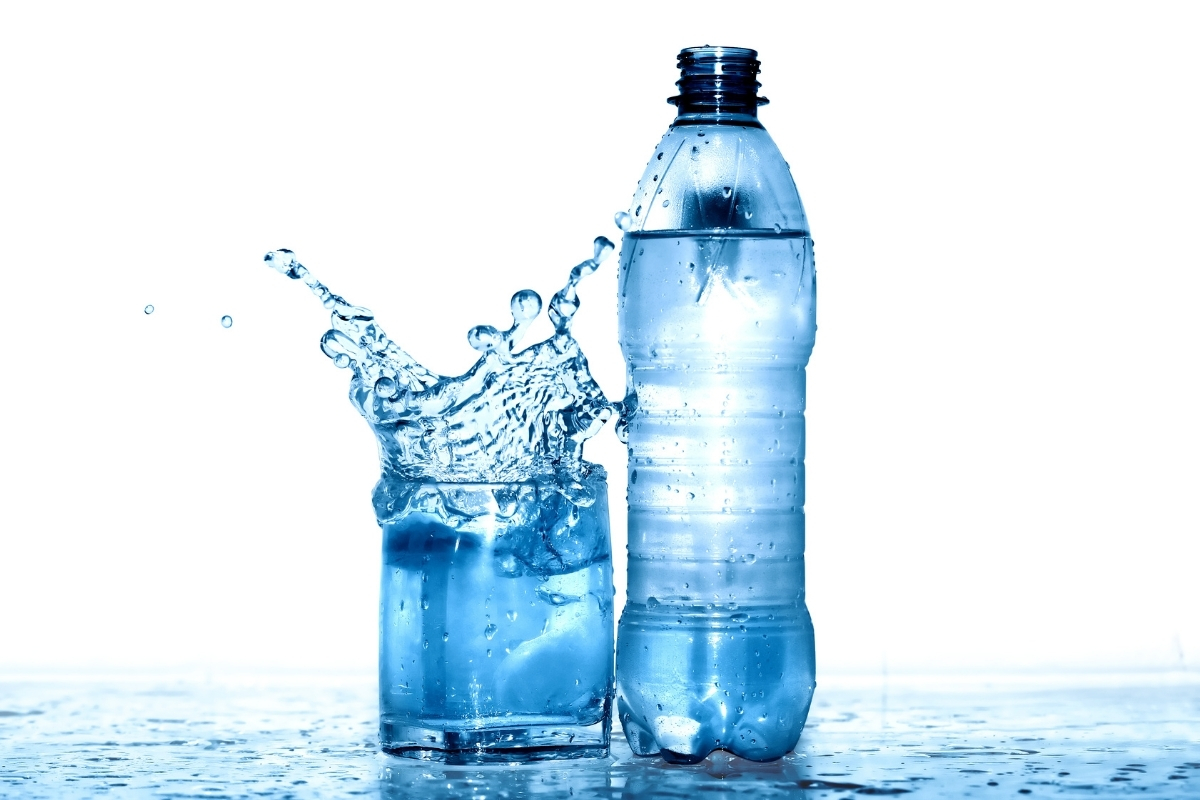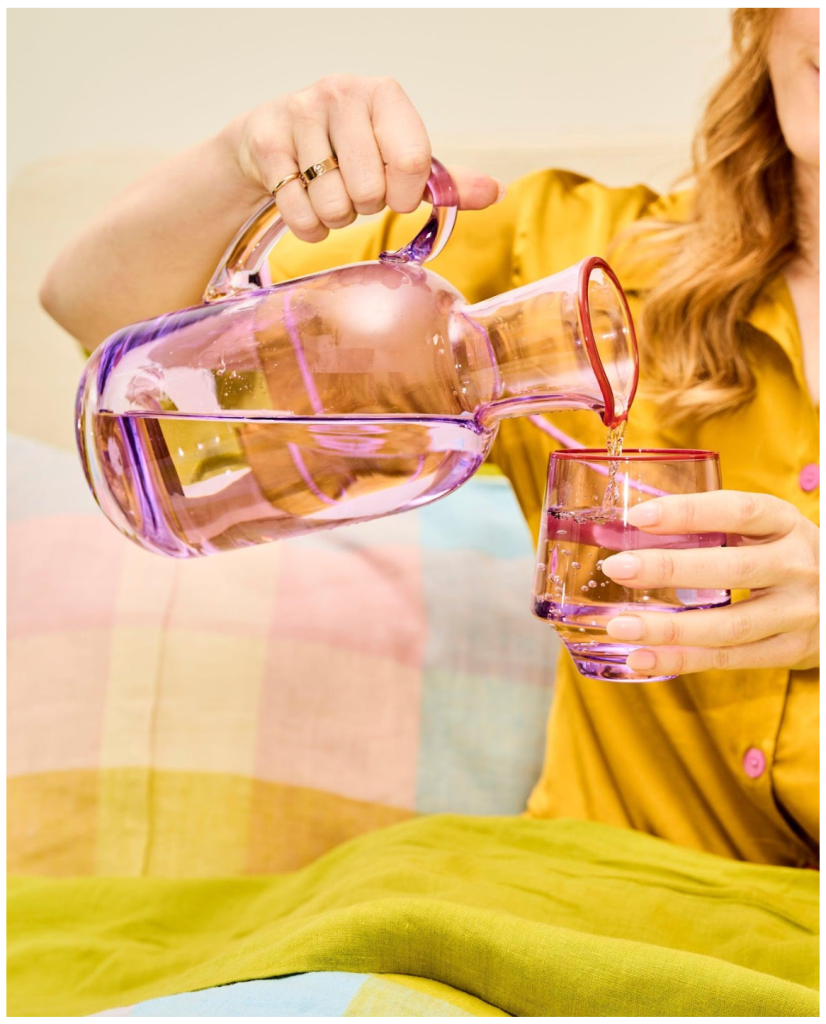
When patients begin weight-loss medications—like semaglutide, tirzepatide, liraglutide, phentermine, or similar—hydration suddenly becomes more important than ever. These medications change digestion, appetite, and metabolism.
And while the medications help reduce hunger… they often reduce thirst too.
Why Water Matters More When You’re on Weight-Loss Medication
✔ Appetite suppression → fewer thirst cues
When you’re eating less, you naturally drink less. Less food also means less water from meals—so hydration must be intentional.
✔ Slower stomach emptying → higher risk of constipation & nausea
GLP-1 medications can slow digestion. Water improves gut motility and reduces discomfort.
✔ More fat breakdown → kidneys need support
As fat is burned, metabolic byproducts need to be flushed. Water helps protect your kidneys.
Risks of Dehydration While on Medication
- Constipation
- Dizziness or headaches
- Fatigue or brain fog
- Low blood pressure / rapid heart rate
- Kidney strain
- Increased risk of gallstones (especially during rapid weight loss)
Sometimes these symptoms get mistaken for medication intolerance—when the real issue can simply be dehydration.
How Much Water Should You Drink?
Goal: at least 64oz per day
Increase intake if:
✔ you exercise
✔ you sweat heavily
✔ you drink alcohol or caffeine
✔ you live in a hot climate
Sip steadily—avoid chugging large amounts at once.
Easy Ways to Increase Water Intake
✔ Add flavor without sugar
- Lemon, lime, cucumber, berries, mint
- Herbal tea
✔ Carry a water bottle you actually like
Patients drink 2–3x more when a bottle stays with them.
✔ Set reminders
- Phone alarm
- Smartwatch
- Hydration apps (Waterllama, MyWater)
✔ Use electrolytes (low or no sugar)
Especially helpful if exercising.
Key Takeaways
Water supports:
✔ Fat metabolism
✔ Digestive comfort
✔ Kidney function
✔ Energy and mood
✔ Safe medication use
If you’re experiencing headaches, constipation, dizziness, darker urine, or fatigue—hydration may be the fix. Ask your doctor about these symptoms.